This offer is open to all UK residents only.
Strictly you must be aged 18 and over
You are only entered into this competition if you enter your full and correct email
address and follow all steps above
We cannot guarantee the exact product or value you receive
We cannot guarantee delivery date
The winner will be informed via email and will receive our newsletters which you can unsubscribe from at any time.
You are only entered into this competition if you enter your email address via the form as we email the winners
All other entry steps not compulsory
The prize cannot be transferred to a third party nor can it be redeemed for a cash
alternative.
We observe the right to withdraw this offer if needed
Closing date April 8th
Do you dread the stabbing pain that attacks your head every time you get stressed?Or drink a glass of red wine?Or find yourself in an argument with a friend, relative or work colleague?Around 40% of people suffer from tension-type headaches, and 10% of us from migraines, according to the American Journal of Medicine. And a massive 96% of those affected rely on pharmaceutical solutions to cure them – yet they still suffer the problem all their lives. Headaches also affect women to a greater degree than men.
Most of us have had a headache from time to time. And while many of us consider them an unpleasant fact of life, in most cases a painkiller or two solves the problem.
But what if you regularly have to lie down in a dark room, sometimes for hours on end? What if the pain in your head is so intense you can hardly endure it, and nothing the doctors give you seems to alleviate the sickness or the flashing lights that accompany the sharp stabbing that seems to gouge a pathway through your very brain?
What if your job is in jeopardy because of these seemingly endless attacks that crop up out of the blue, necessitating unscheduled days off work? It sounds like something from a horror movie. For regular migraine sufferers, it often feels like it.
What makes a migraine different?
Migraine headaches are much more severe than a normal headache. They often come with nausea or feeling faint, combined with a sensitivity to light and sound. Sometimes your heart will race, sometimes you can be physically sick. Sufferers shut themselves away in a silent darkened room, keeping as still and unmoving as possible and pray for an attack to pass. It may last a few hours, or linger for days.
Migraines come out of the blue, sometimes after weeks, or even years, of attack free days. In some cases, they are accompanied by a visual disturbance known as ‘aura’.
Why do we get them?
Stress is an acknowledged trigger for both headaches and migraines, though everyone’s stresses are different and the amount of stress it takes to trigger different levels of head pain varies too.Fluctuating hormones can trigger an attack and often puberty and menopause are times when women in particular suffer.
So what can you do to help yourself? Pharmaceutical medicine nowadays offers a range of pills that shut down an attack as soon as the migraine rears its ugly head. But they don’t work for everyone and often come with less than pleasant side effects. And what if they simply don’t work for you at all?
Natural medicine offers a range of effective remedies for headaches and migraines, all of them non-invasive and side-effect free.
Food triggers
Write down what you eat each day, and keep a food diary for as long as it takes to identify any patterns that link to your migraines. If there are, then cut that food out of your diet entirely and observe any change.
Tap in to tapping
Sometimes migraines are emotionally triggered. Are you dreading standing up in front of hundreds of people at that conference speech? Or confronting a colleague on a difficult ‘Elephant in the Room’ issue? Do you struggle with unresolved family stuff? Issues flaring their ugly heads can trigger an immediate attack for some people.
Usually, once a migraine starts, it’s difficult to stop it in its tracks. Emotional Freedom Technique, or EFT – also known as tapping – is a therapy that can.It is sometimes referred to as ‘psychological acupressure’, and involves tapping gently on a series of acupuncture points in a set sequence, whilst focusing on the pain in your head and the thoughts and feelings that the migraine brings up for you. It’s simple to learn and takes a very short time to bring your symptoms under control and manage the pain. I recently worked with a patient who reduced her pain level from a 10 out of 10 to 2 out of 10 in a period of minutes. Shortly afterwards her migraine disappeared entirely.
Under pressure
Acupressure is a healing technique similar to acupuncture, but without the needles. It involves stimulating specific pressure points along the meridians (or energy lines) that, according to Traditional Chinese Medicine, run through your body, linked to the health of different organs and systems.
Large Intestine 4 (the Hegu point) has been used for thousands of years to relieve migraines and headaches and these small black clips are designed to stimulate that point. Simply clip one onto the area between your thumb and index finger on each hand and it will apply an amount of pressure your own finger simply couldn’t match. Keep them there till the pain reduces and disappears.
Homeopathic help
Considerable research has been done into the efficacy of homeopathic remedies, showing that different remedies work for different styles of migraine.
If your migraine gets worse in the afternoons, your hands and feet go cold, your head throbs and you are affected by noise, light and movement then you may be prescribed the remedy, Belladonna.
If your pain is pulsing and mainly on the left-hand side of your head consider the homeopathic remedy, Lachesis. This also works for women who make a connection between their migraines and their menstrual periods and hormonal shifts.
If the pain is mainly on the right-hand side of your head, stretching across the back of your skull to your forehead, experiment with Silicea. This also works if your migraine trigger could be related to mental stress.
Touch on touchpoints
These are a pair of small, black, vibrating gadgets that use ‘bi-lateral alternating stimulation technology’ (BLAST) to restore calm in your brain and boost rational thinking. Research shows they reduce stress levels by up to 70% in a matter of minutes. In ‘normal’ speak what they do is buzz and vibrate – at a different rate and timing in each hand – over-riding the brain’s habitual patterns and in the process releasing any stress build-up and removing the trigger for your migraine.
Try feverfew
Originally grown in the wild throughout the Balkans, the daisy-like plant Feverfew has been found to be effective at preventing migraines if taken daily as a supplement. There have been five important research studies to date, several concluding that taking feverfew in leaf form in a capsule reduces the quantity of monthly migraines suffered. Powdered whole leaf dosage is 80-100 mg daily.
Go ginger
Ginger powder taken at the onset of an attack has been scientifically proven to reduce severity of a migraine by 90% within 2 hours.
Bag yourself some bog-rhubarb (yes, you heard correct)
In tests, the herb Butterbur (sometimes called bog-rhubarb due to the resemblance between the two plants) was found to be effective at reducing both frequency, length and intensity of migraine attacks. The dosage that was most effective was 75mg twice a day over a period of three months.
The trigger and the cause of regular head pain is different for each of us and logically, therefore, what is effective for one person may not be for another.There is rarely one single ‘magic bullet’ – but keep experimenting and combining and you will increase the likelihood of finding a combination that works for you.
Most eye creams do very little other than moisturise the skin’s surface and therefore temporarily plump up fine lines and wrinkles due to their hydration effects. One thing that a lot of people don’t know is that common skincare problems like ‘eye bags’ or puffiness are, in fact, different to dark circles or shadows underneath the eye.
‘Bags’ or puffiness is a separate issue to dark circles, although both problems can coexist, so the same person may have both dark circles and puffiness. As we age, the skin around the eyes becomes thinner, decreasing in laxity (it becomes loose). The subcutaneous fat pad which sits under the skin also starts to become thin and starts to descend, or ‘go south’. These factors can result in darkness and puffiness around the eye as fluid accumulates.
In general terms, the skin around the eye is thin and vulnerable to damage from UV radiation, pollution and the environment. Moisturising the area and wearing regular sunscreen is one of the best ways of preventing damage to ‘normal’ skin, as well as limiting further pigmentation problems once dark circles have already developed.
2. SPOT PRONE SKIN
Like most people, my phone goes everywhere with me. Studies have shown that touch screens contain large numbers of bacteria on their surface. The pressure created by placing your phone against your cheek may result in activation of the oil-producing glands. When this is combined with heat generated from the phone and bacteria present on the phone surface, skincare problems and imperfections may occur. If possible, try to use earphones and regularly wipe your smartphone surface clean. I carry wipes in my handbag to keep my phone as clean as possible.
Cleanse your face twice a day with a face wash designed for acne-prone skin (if you suffer from acne). Products that contain salicylic acid and zinc may be beneficial. Exfoliate your skin weekly – this will remove the upper layer of skin cells, resulting in a brighter complexion and will help to reduce blackheads.
Certain styling products, such as oils and waxes, can cause forehead acne, particularly blackheads or whiteheads because they block pores. If your hair is very oily, this may further aggravate the problem.
Ideally, it’s best to avoid wearing make-up to the gym. Sweat and increased temperature brought on by exercise can lead to open pores which can become blocked by particles of make-up. This can easily lead to breakouts and, in turn, other skincare problems like uneven skin texture.
Raised body temperature, sweat blocking pores and friction from clothes rubbing against the body combined by bacterial action can result in acne, particularly over the back and chest. To reduce the risk of this, it is important to shower and change into fresh clothing as soon as possible after exercise. Using body washes containing salicylic acid can be helpful to those prone to spots following exercise.
Make-up brushes often aren’t looked after properly and are a breeding ground for bacteria. Many laboratory-based tests where make-up items have been swabbed have shown the growth of all sorts of different microbes that can cause infection. Despite this, the majority of women do not clean their make-up bags or cosmetic products on a regular basis. Make-up brushes should be cleaned at least on a monthly basis – which many women neglect to do. Otherwise, bacteria can build up on the surface from constantly being in contact with our skin.
3. DARK SPOTS
Antioxidants have been the new big thing for a few years now. It’s hard to avoid coming across the word all the time in food and skincare but not a lot of people really understand them. They help our skin fight against the daily things that can cause ageing symptoms such as dullness, loss of elasticity, fine lines, uneven texture, wrinkles and dark spots.
Ultraviolet radiation from the sun is responsible for many of the features we associate with ageing – think fine lines, wrinkles, and blotchy, pigmented skin. Dark spots are flat brown marks that commonly appear on sun-exposed sites such as the face, neck, and hands. They most commonly develop in those with a fair complexion but can be seen in olive skin types also. They’re the result of excess skin pigmentation or melanin and are quite common in those aged over 40. These can be helped with certain skincare ingredients such as vitamin C, retinoids, kojic acid, niacinamide, arbutin, azelaic acid and alpha hydroxy acids. Failing this, there are clinic-based treatments which can be carried out by a dermatologist.
By your 40s (if not earlier) you should be using a retinoid cream at night. Retinoids are vitamin A-based products which have been proven to boost collagen production, improve fine lines and clear skincare problems like pigmentation, in scientific studies. Be patient though – it can take up to six weeks to see effects. Look for over the counter preparations that contain a minimum of 0.1% retinol as an ingredient. Otherwise consult a cosmetic dermatologist who will be able to prescribe you a prescription strength retinoid (e.g. tretinoin 0.05%).
Unfortunately, the sun is the biggest culprit in skincare problems around ageing. Prevention is easier than cure, so it is therefore imperative to wear a broad-spectrum SPF on sun-exposed sites such as the face, neck and hands. When choosing a sunscreen look for a high protection SPF (SPF30 or higher) to protect against UVB, and the UVA circle logo and/or 4 or 5 UVA stars. Ensure you’re applying plenty of sunscreen 15 to 30 minutes before going out in the sun, reapply every two hours and straight after swimming.
4. ENLARGED PORES
Because we are mammals, we are all covered in fine hairs over the face and body. Pores are simply the opening of tiny hair follicles onto the surface of the skin. They are not surrounded by a muscle and therefore do not have the ability to open and close. It is really common to hear myths about pore size – for example – steam or hot water will open pores. This myth is propagated by glossy magazines, beauticians, and even some doctors!
Those with oily skin tend to have the appearance of enlarged pores as oil tends to collect within them. Pore size can also become more apparent with age. As we get older, the proteins collagen and elastin, that give our skin its structural support, break down dragging the edge of the pore with it making it appear enlarged.
Lastly, genetics have a part to play – if your parents have large pores; chances are that you will as well. This is not to say we can’t help those that worry about their pore size. There are a number of treatments that can help minimise their appearance. These include the use of creams containing retinoids and procedures such as; chemical peels, micro-needling, and laser.
To keep common skincare problems like blackheads at bay there are a few options that you can turn to. These include regular facials with steam extraction, light chemical peels such as mandelic acid, using pore strips, exfoliation once a week, use of face washes that contain salicylic acid and topical treatments containing benzoyl peroxide, salicylic acid or retinoids.”
5. DEHYDRATED SKIN
It can be tempting to take long, hot showers – particularly in the autumn and winter months when the weather becomes cooler and temperatures start to drop. The combination of water and soap or shower gel can lead to moisture loss from the surface of the skin and disruption of the skin’s barrier resulting in dryness or irritation. Those with underlying inflammatory skincare problems and disorders such as eczema or psoriasis need to be extra cautious. Showers should ideally be no longer than 10 minutes with tepid water.
This goes for the face and body. Yes, water in the shower can be too hot, but that’s because most of us take showers that are too hot, anyway.
Whilst it is tempting to jump into a hot shower for twenty minutes when it’s cold outside, this is probably one of the worst things you can do for your skin. Hot water will remove your skin’s natural oils and quickly deplete natural moisture.
Your skin forms a protective barrier against the elements and one of its main functions is to prevent water loss. In the winter months, there is less production of natural oils (e.g. ceramides, cholesterol, fatty acids) resulting in increased dryness, scaling, and flaking of the skin. It is important to moisturise regularly to combat winter dryness. Moisturisers will bind and retain water, in addition to forming a protective seal preventing further water loss. For best effects, this is should be done straight after showering and then throughout the day as needed.
For clear skin, what we eat is absolutely vital. Plenty of water, a good balance of omega oils and lots of plant-based foods containing vitamins and nutrients help to achieve clear skin. But what about foods we should avoid?
Let’s consider the very real impact that what we eat can have on our skin. Chronic complaints such as psoriasis, eczema or rosacea shouldn’t just be thought of as skin conditions – think of them as gut conditions, the symptoms of which you see on the surface of the skin.
Good gut health is absolutely vital when it comes to getting to the root cause of skin issues. We have trillions of bacteria in our gut and they directly control the condition of our skin.
The role of our gut and its connection to both our brain and skin has been talked about for a very long time. In fact, 70 years ago, two dermatologists, John H Stokes and Donald M Pillsbury, first suggested an overlapping correlation between the gut and mood disorders such as anxiety and skin conditions. Way ahead of their time, these doctors proposed that emotional states might alter the normal gut microbiome, resulting in intestinal inflammation and permeability (commonly referred to as ‘leaky gut’), and contribute to systemic inflammation.
An anti-inflammatory diet focuses on lots of fruits and vegetables, foods containing omega-3 fatty acids, whole grains, lean protein, healthy fats, and spices. It recommends limiting the consumption of processed foods, red meats and alcohol.
Limit these food groups if you’re having problems achieving clear skin:
1. SUGAR
Cutting out refined sugar is key. And simply reducing the amount we add to our tea is not enough. It’s important to read ingredient labels, because refined sugar sneaks in under so many names; high fructose corn syrup, table sugar, cane sugar, and fructose – to name just a few.
If you suffer from a chronic skin condition, it might be best to avoid sugars altogether, certainly through an initial period of healing. However, if you absolutely cannot live without a sweet snack, natural sweeteners such as raw honey, maple syrup, apple sauce or agave nectar are better choice, low glycemic sweeteners. This means they may have a less intense impact on blood sugar levels and are not as likely to trigger skin flares and sensitivities.
2. REFINED CARBS
Carbohydrate rich foods include bread, pasta, cereal, crackers and doughy desserts. Studies show that people who frequently consume a large amount of cakes and pastries increased their risk of developing acne by 20%. This might be explained by the blood sugar and insulin spikes created when we eat refined carbohydrates. They’re absorbed quickly into the bloodstream making hormones more active and boosting sebum (oil) production. This in turn can wreak havoc on clear skin by clogging pores, which in turn causes the forming of pimples and blackheads.
To avoid problematic insulin spikes, opt for more complex carbohydrates and wheat-free grains such as spelt, amaranth, buckwheat and quinoa, which are low glycemic and will have less of an impact on blood sugar levels.
3. DAIRY PRODUCTS
Dairy products such as cheese, milk, butter and cream are considered pro-inflammatory foods. These can most definitely aggravate or worsen existing inflammatory skin conditions. Cow’s milk also contains amino acids, which stimulate the liver to produce more IGF-1, a growth hormone that’s linked to the development of acne.
It’s estimated that 75% of the world’s population is intolerant to lactose (the sugar found in dairy) and most of us aren’t even aware that we’re sensitive to it. Repeatedly consuming foods we can’t digest properly, can lead to longer-term digestive conditions. Food allergies and sensitivities can also trigger an inflammatory response, flaring pre-existing chronic skin complaints.
Thanks to the rise of veganism, dairy alternatives are plentiful these days. Replacing dairy with unsweetened nut milks and creams, such as coconut, almond or hazelnut, offers hormone, antibiotic and lactose-free substitutes, which will have less of a detrimental impact on the liver and digestive tract.
4. PROCESSED AND JUNK FOODS
When we eat too much processed food, we begin to lack the nutrients our body’s need to function efficiently. This leaves skin cells looking dry and depleted. Most fast food meals are deep-fried in refined vegetable oils such as canola, which is loaded with trans-fats. While ‘vegetable oils’ may sound deceptively healthy, they can aggravate skin conditions because they’re extremely high in omega-6 essential fatty acids.
This might sound confusing because Omega oils are considered to be healthy, but problems can arise when we have too many omega-6s and too little omega-3s in our diet. Omega-3s are natural anti-inflammatories and without them our bodies are more likely to show common signs of inflammation such as itching, redness and swelling.
Sometimes it seems impossible to avoid convenience foods, but fortunately more nutritious fast food restaurants are springing up, such as juice and salad bars. If you know in advance that you’ll be eating on the move, avoid junk food altogether by keeping healthy snacks such as protein bars, nuts, seeds and fruit to hand.
5. INDIVIDUAL SENSITIVITIES
We are also susceptible to individual food sensitivities. These can occur when our immune system mistakenly identifies a particular food as a threat and launches an attack against it. This perceived enemy causes high levels of pro-inflammatory molecules to circulate which can aggravate sensitive skin and often results in the redness and flare-ups we see on the skin’s surface.
This is where an elimination diet can work really well. It can take a little trial and error and requires extra patience, but it works by temporarily restricting food groups in order to eliminate triggers and achieve symptomatic relief. The idea is to then gradually add foods back in while tracking symptoms and looking for notable correlations. Try keeping a food journal to get to the root cause of those irritating flares.
Skincare has never been so in demand. Maybe its because more of us have that little bit of extra time on our hands and that’s face it, we don’t really have anywhere to go that warrants putting on a full face of make up everyday.
It really is the perfect time to start investing some time into your skincare and taking some time for YOU!
I for sure can say its definitely made me feel more confident going make up free knowing that my skin is glowing. (Albeit under some PPE whilst on my supermarket sweep)
We’ve been super lucky with the weather with Vitamin D being a great vitamin to make you look and feel perky. But then again, we all know eating our 5 portions of fruit and veg not only contribute to a healthy lifestyle but promotes good skin as well. So why just eat it when you can wear it too.
Let me show you the front runners that are leading the way using fruit ingredients to help deliver that extra surge of the daily dose of nutrients to help you come out of quarretine looking like you”ve just stepped out of 2019!
Who knew we could reverse time time in lockdown??
1.The Skin Cleanser
TRUTH JUICE DAILY CLEANSER
BY OLE HENRICKSON £22.
Inspired by juice cleanses used to help detoxify the body, Ole created his version of a “juice cleanse” with
this new luxurious lather that removes dirt, oil, and longwear eye makeup without stripping skin for a remarkably sensorial experience. Its addictive natural orange citrus scent with turn you normal day–
to-day cleansing into an uplifting ritual. This multi-tasking cleanser contains PHA (polyhydroxy acid) to help
loosen and lift dead skin cells, orange fruit water to help revive and refresh the skin.
2. The Firming One
SUPERFOOD FACE FIRMING SERUM
Made By COOPERS
£35
The Perfect Fruit and Vegetable Daily Moisturiser Replacement in the shape of a serum . A complex blend of bio- active plant oils to instantly firm and regenerate cells for a brighter and more youthful looking complexion. If there was ever a product to name itself so aptly then this would be it. Packed with Pomegranate, Chia, Broccoli and Black Cumin, you’ll be ticking the vitamin boxes in one swoop with this gorgeous Serum
3. Juicy Lips
DOTCOM BALM By Glossier.£10.
Glossier is the cult brand that pretty much all of us have an obsession with.
With their sleek packaging and range of products, its no wonder they were going to appear with a product so great that made it in 8…. Yes, 8 flavours instead of just 1.
5 pretty much slay the most wanted fruit flavours that’ll leave you licking your lips just as an excuse to try another flavour. The silky textured soft wax comes in Coconut,Mango,Berry, Cherry and Mint…. as well as a few cheeky other variations. My favourite is Cherry as it has a hint of colour so it makes me feel like I’ve made more of an effort then I actually have whilst keeping my lips super soft and kissable!
4. One for the make up bag.
WATERMELON BURST PRIMER
Ciate £18
Say the word Watermelon and I’m instantly sold. So when Ciate put the Watermelon Burst Primer was up for grabs, My hand was firmly up in the air!!
A perfect way to hydrate and moisturise skin this primer is a unique aqua serum that grips foundation for a longer wear and added glow. A lightweight pink jelly base containing seed-like watermelon droplets supplies the skin with intense hydration and maximises the longevity of your foundation. You’ll almost feel like not wanted to cover it up, but that glow still manages to push through. Trust me you’ll love it.
5. The ones for the body.
COFFEE BODY SCRUB WITH TANGERINE
By UP CIRCLE £14.99
Your skin is the bodys biggest organ, therefore even if you drink a lot of water it also benefits for that extra helping hand from the outside to keep it soft and smooth.
Removing dead skin cells in the form of a body scrub not only polishes the skin in stimulates detoxification I those stubborn cellulite prone areas!! ( You know where I mean!!) With the ground aribica coffee beans being mixed with the zesty tangerine, Up Circle have hit the nail on the head with a product that makes you want to race into the shower. Look out for there other gorgeous infused coffee based gems. The Coffee and Lemongrass hand wash has quickly become my go to for my bathroom.
6.
One for the tresses.
Be Gentle, Be Kind Kale+Apple Replenishing Super Food Conditioner
By Briogeo £28
If I didnt know better, then I could easily of picked up this clean cut bottle of superfood and taken a swig! Instead serve this hit of multi vitamins to your tresses and show it some TLC in the shape of this Kale Spinach and Apple smoothie infusion that will strengthen and restore each strand of your hair making it a perfect addition to your wellness routine.
7 .The Allnighter.
Drink Up. Intensive overnight hydrating mask with Avocado and Glacier Water.
By Origins.£22
If your skincare routine resembles that of a person who wants to get fit yet can’t be bothered to run. Then choose a good steady and rich staple that will go the distance like slow paced walk through the countryside. This mask is just that and will deliver results to you ten fold with minimum effort. The buttery soft texture derived from Avocados will quench the thisty of skin and deliver maximum nourishment for a whopping 72hrs!!
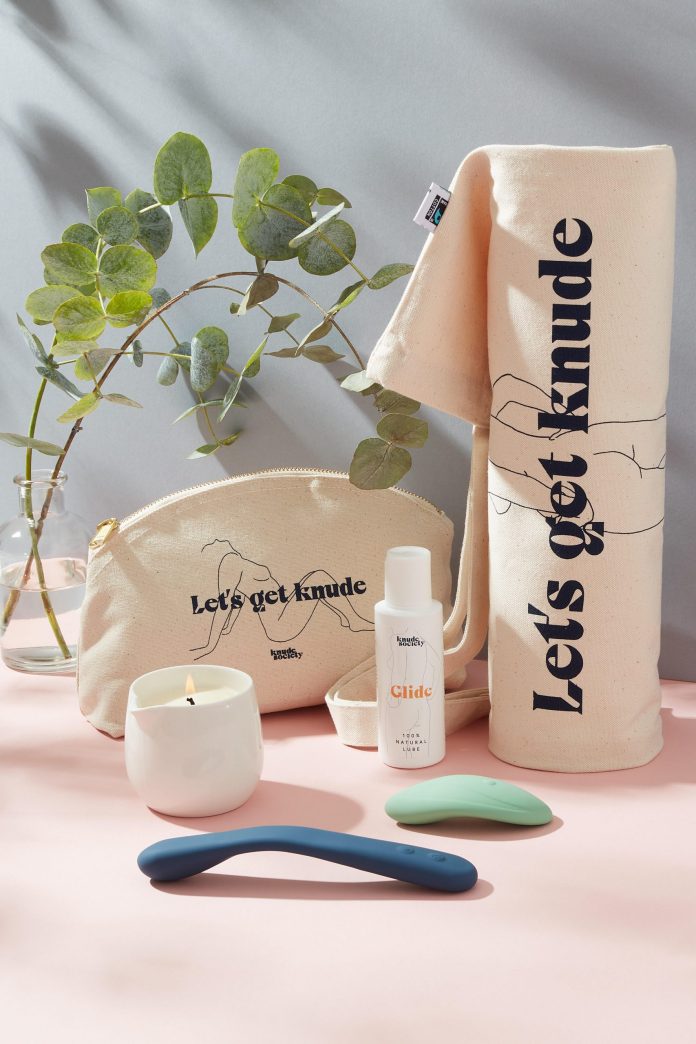
Meet Monty – the bundle FULL of everything Knude Society has on offer! From their two flagship vibrators Gwen and Lennon, to their signature message candle, Melt. Monty is sure to bring you pleasure.
To enter simply fill in the below form and follow the social link below.
#WIN a Monty package worth £170 from Knude Society
This offer is open to all UK residents only.
Strictly you must be aged 18 and over
You are only entered into this competition if you enter your full and correct email
address and follow all steps above
We cannot guarantee the exact product or value you receive
We cannot guarantee delivery date
The winner will be informed via email and will receive our newsletters which you can unsubscribe from at any time.
You are only entered into this competition if you enter your email address via the form as we email the winners
All other entry steps not compulsory
The prize cannot be transferred to a third party nor can it be redeemed for a cash
alternative.
We observe the right to withdraw this offer if needed
Closing date April 8th
Dearbump, creators of award-winning pregnancy subscription boxes, are all about supporting mamas so are offering a £100 voucher to 1 reader.
To enter the amazing giveaway simply follow the steps below.
Fill in the below form as the winner will be informed via email.
Follow the below social link.
#WIN £100 Mamas & Papas voucher
This offer is open to all UK residents only.
Strictly you must be aged 18 and over
You are only entered into this competition if you enter your full and correct email
address and follow all steps above
We cannot guarantee the exact product or value you receive
We cannot guarantee delivery date
The winner will be informed via email and will receive our newsletters which you can unsubscribe from at any time.
You are only entered into this competition if you enter your email address via the form as we email the winners
All other entry steps not compulsory
The prize cannot be transferred to a third party nor can it be redeemed for a cash
alternative.
We observe the right to withdraw this offer if needed
Closing date April 8th
This offer is open to all UK residents only.
Strictly you must be aged 18 and over
You are only entered into this competition if you enter your full and correct email
address and follow all steps above
The winner will be informed via email and will receive our newsletters which you can unsubscribe from at any time.
You are only entered into this competition if you enter your email address via the form as we email the winners
The prize cannot be transferred to a third party nor can it be redeemed for a cash
alternative.
We observe the right to withdraw this offer if needed
Holiday dates will be subject to availability which will be discussed with the winner
Closing date 3rd April 2022
Be in with a chance to win a fabulous hamper of @spiritoftravel bestsellers and favourites together with some of @adacosmetics beautiful cosmetic travel sets for adults and kids’
To enter this amazing giveaway simply fill in the form below and follow the below social links.
WIN! a fabulous hamper of @spiritoftravel bestsellers
This offer is open to all UK residents only.
Strictly you must be aged 18 and over
You are only entered into this competition if you enter your full and correct email
address and follow all steps above
The winner will be informed via email and will receive our newsletters which you can unsubscribe from at any time.
You are only entered into this competition if you enter your email address via the form as we email the winners
The prize cannot be transferred to a third party nor can it be redeemed for a cash
alternative.
We observe the right to withdraw this offer if needed
Holiday dates will be subject to availability which will be discussed with the winner
Closing date 2nd April 2022
Nearly half the population require vision correction for problems such as myopia (short-
sightedness), hyperopia (long-sightedness), astigmatism (irregular cornea) or presbyopia
(reading vision). If you happen to be in the half that already wears contact lens or
glasses, then you must have considered laser eye surgery at least once. In this article
we will answer the many questions you may have about Laser Eye Surgery or Laser
Vision Correction (LVC).
What is laser eye surgery and how does it work?
If you have perfect vision, light rays travel smoothly through the eye to the retina.
However, if the cornea is bumpy or uneven it causes the light to bend so it lands either
before or beyond the retina. The result is poor vision. Laser eye surgery corrects these
tiny imperfections so the light falls in precisely the right place, allowing you to see
clearly without needing to wear glasses or contact lenses.
The most common LVC procedures performed worldwide include LASIK, LASEK/PRK and
SMILE.
All these procedures involve reshaping the cornea, the front layer of your eye,
and correcting any tiny imperfections using an advanced cool beam laser. This makes
your vision clearer and sharper so you no longer need to wear glasses or contact
lenses. In LASIK, laser is used to reshape the cornea after a flap is created in the cornea. In LASEK or PRK, laser is used to reshape the surface of the cornea. In SMILE, laser is used
to remove a lenticule of tissue from within the cornea. All these procedures give you
good vision without glasses or contact lenses.
Who is suitable for laser eye surgery?
If you wear wears glasses and/or contact lens then you may be suitable for LVC. However,
there are other factors which also determine suitability for laser eye surgery. Important
factors include your current glasses prescription, the health of your eyes, results of scans of your eyes, and your work and lifestyle needs.
People with high prescriptions, who are not suitable for LVC, may be suitable for an
alternative refractive procedure called Implantable Contact Lens (ICL). In this procedure, a
tiny contact lens is placed in your eye behind the iris (the coloured portion of your eye) and
in front of your natural lens. The lens implant stays in your eyes for life and does not have to be removed. These special lens give you good vision without the need for glasses or contact
lenses!
Is laser eye surgery permanent?
The effects of laser eye surgery stay with you throughout your life. However, as you age,
your vision naturally changes. After the age of 45, everyone needs reading glasses as the
lens inside your eye loses its elasticity making it harder to focus on close objects. At this
point you have the option of top-up laser surgery or refractive lens exchange surgery so you can remain free from glasses or contact lenses.
Is there is an age limit for laser eye surgery?
No, laser eye surgery can be performed any time after the age of 18. And in fact, there is no upper age limit to having Laser eye surgery. Most people have the misconception that LVC including LASIK can only be performed in their late 20s or early 30s. After the age of 45, most people develop a condition called presbyopia. They find having to wear bifocal/varifocal glasses or more annoyingly two separate pairs of glasses: one for distance and another for near. Presbyopia can be corrected with a type of LASIK called Presby-LASIK or monovision-LASIK.
The procedure is similar to standard LASIK. However, your dominant eye is corrected for
distance vision and your non-dominant eye for near vision. After the procedure, you can do
most daily activities such as driving, playing golf, watching TV, working on the computer and reading the newspaper without glasses.
Refractive lens exchange is another option for correcting presbyopia after the age of 50. In
this surgery, the natural lens in the eye is replaced with a multifocal lens. The surgery not
only treats your myopia, hyperopia and astigmatism but prevents cataracts forming later in
life. This is a more permanent solution to correcting presbyopia and helping you achieve
glasses independence.
How much does laser eye surgery cost?
The average spend on contact lens over ten years is approximately £3600. Add to this the
cost of a pair of glasses (never wear contact lens 7 days a week!) and your spend increases
to £5000. High prescription and astigmatism lens and glasses cost extra. Lost or torn contact lens and broken spectacles cost more. As you can see the costs continue to multiply!! The cost of laser eye surgery is comfortably covered by your spend on contact lens and glasses over a few years.
Interest-free finance provides greater flexibility to spread out this cost.
Mr. Tariq Ayoub
Laser, Refractive & Cataract surgeon
Oculase – The Eye Clinic: London & Birmingham
Considering Laser Eye Surgery?
Book a FREE video consultation to assess your suitability for surgery on oculase.com or call
03301281616
Continuing to browse or by clicking “Accept All Cookies,” you agree to the storing of first- and third-party cookies on your device to enhance site navigation, analyse site usage, and assist in our marketing efforts